Wimpole Estate Visitor Centre

Wimpole Estate is a very popular visitor destination and a wonderful resource enjoyed by local people, with annual visitors currently in excess of 300,000. Such numbers were unforeseeable when the present car park was built in 1989. This allowed for only 230 cars, with a meagre 62 spaces in the adjacent stable block for staff, visitors with accessibility needs, and coach parking. Such inadequate provision led to frequent use of the overflow parking in the heart of the historic estate. With a capacity of 400 cars, this arrangement proved damaging to the setting, encroaching on the estate’s aesthetic significance and idyllic rural character. Furthermore, the oversubscribed Stable Block also housed visitor ticketing, membership and a shop, offering insufficient space to meet the growing needs of the attraction.

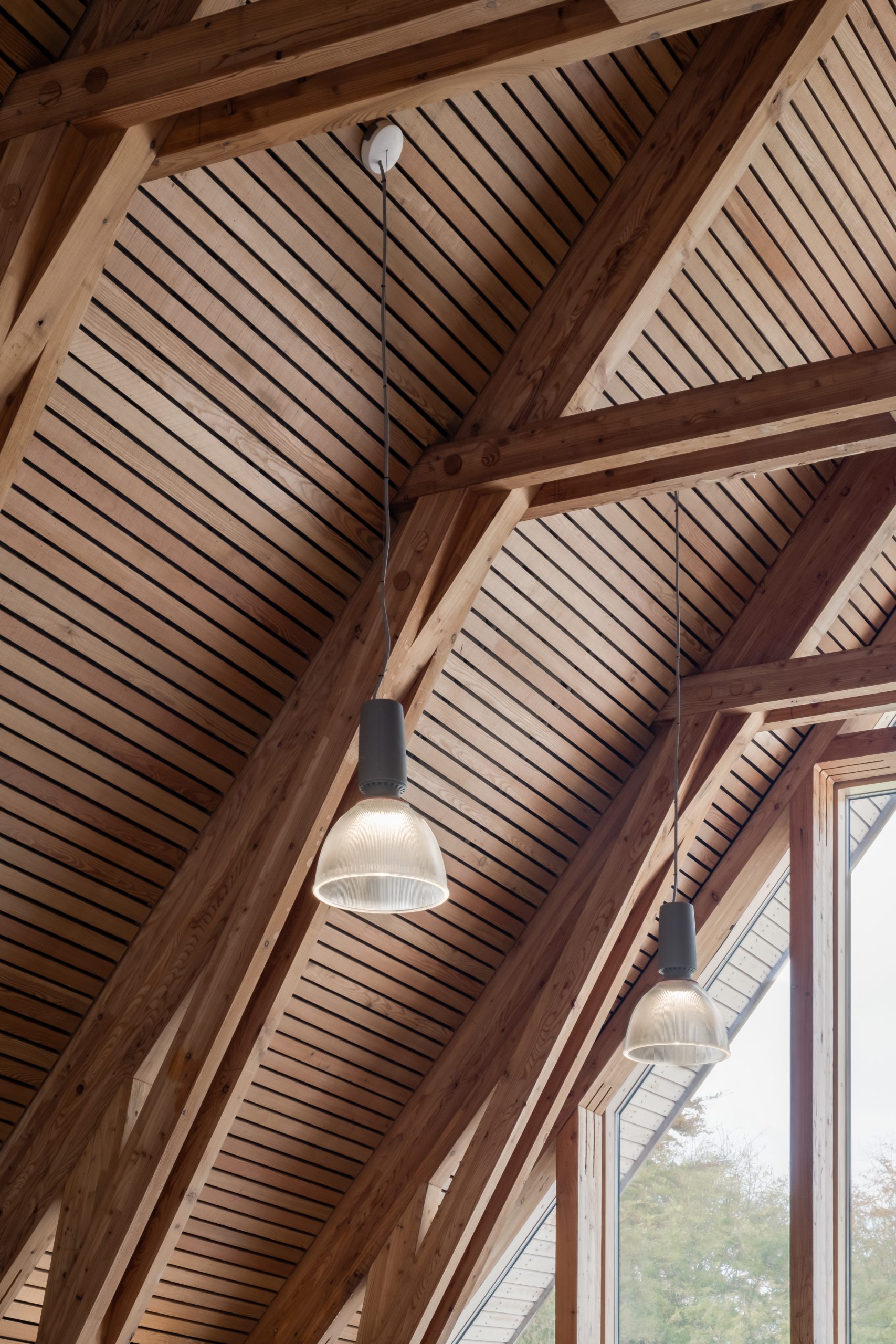
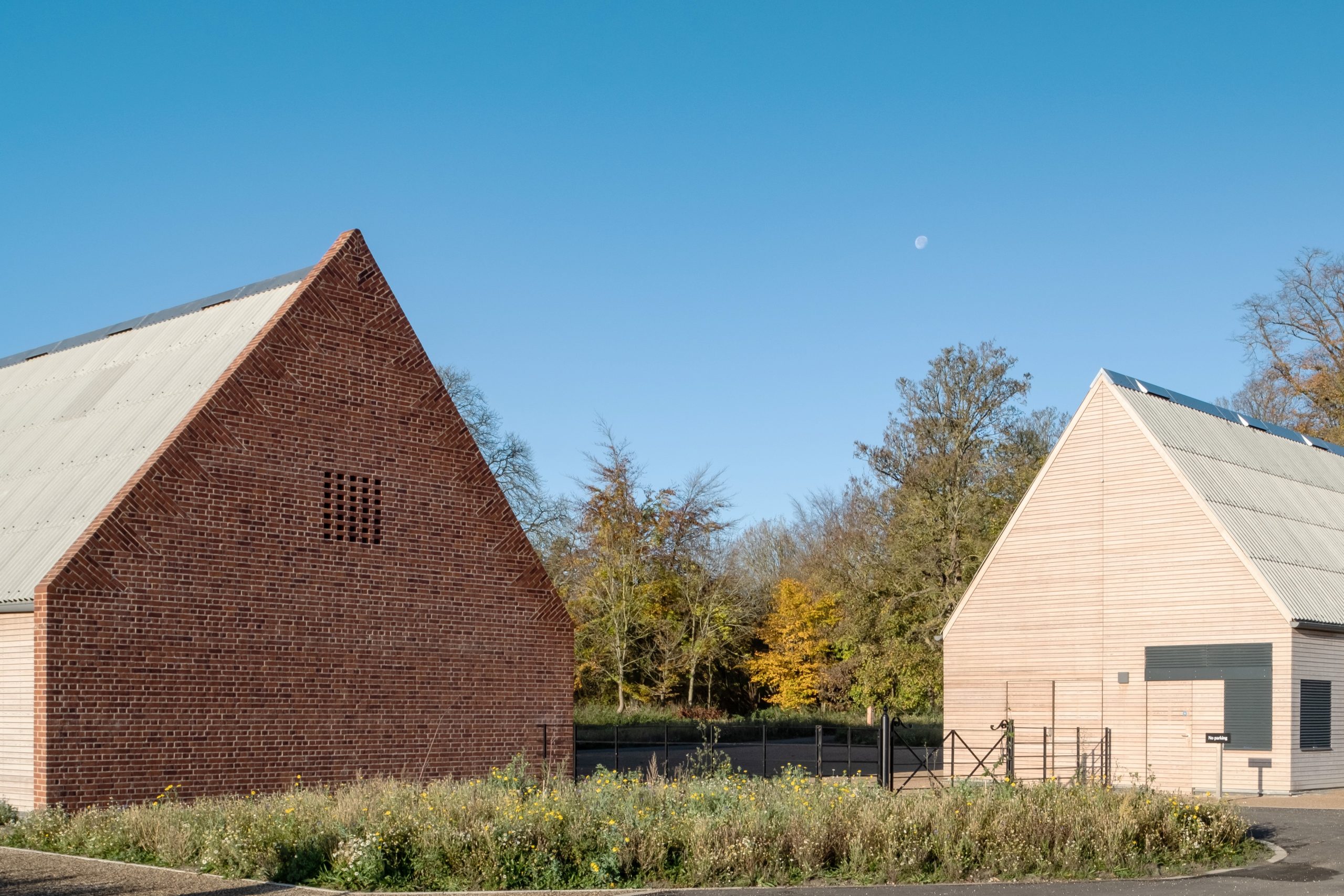
The National Trust approached us to offer a solution. Seeking sensitive development of the site, the trust hoped for a car park and visitors centre which blended with the landscape through careful massing and planting, with sustainable drainage using swales and local waterways. Our answer was Hardwicke Gate, a visitor welcome building offering modern amenities, while complimenting the spirit of place and vibrant ecology which draws so many to the site. With an expanded car park and state-of-the-art facilities, the new development is able to meet the modern demands of the attraction. Located at the threshold of the parkland, the site relocates cars away from the estate and offers adequate space for the myriad of functions required of a modern-day visitor centre. The building itself is in keeping with the rural setting, incorporating local materials and construction techniques.
We were delighted to work on such a significant project. The Wimpole Estate includes not only the magnificent Hall, Gardens and historic parkland but also one of only two working farms in operation by the National Trust. The park and garden are Grade I registered and contain two Scheduled Ancient Monuments, concealing huge amounts of undisturbed archaeology as well as a Site of Special Scientific Interest to the north. The Hall is internationally significant for its architectural achievements, a testament to the genius of John Soane, James Gibbs and other notable figures. The farms and estate are also of historical value. One of the best surviving examples of Georgian model farming, they encapsulate the innovation of the age, pushing the boundaries of what was possible in agriculture at that time.
Wimpole Estate in now able to offer a welcome to match its spectacle, providing its visitors adequate facilities without compromising the character of the site. As one of the National Trust’s most popular attractions, visitor numbers are likely to increase. Such future challenges can now be met with confidence.